
Practical playbook for using collaborative filtering and AI similar items
Collaborative filtering and AI similar items are not about choosing a single winner but about knowing when to prioritize which. This playbook covers how to choose based on catalog size, data volume, and newness, plus practical combinations for Shopify stores.
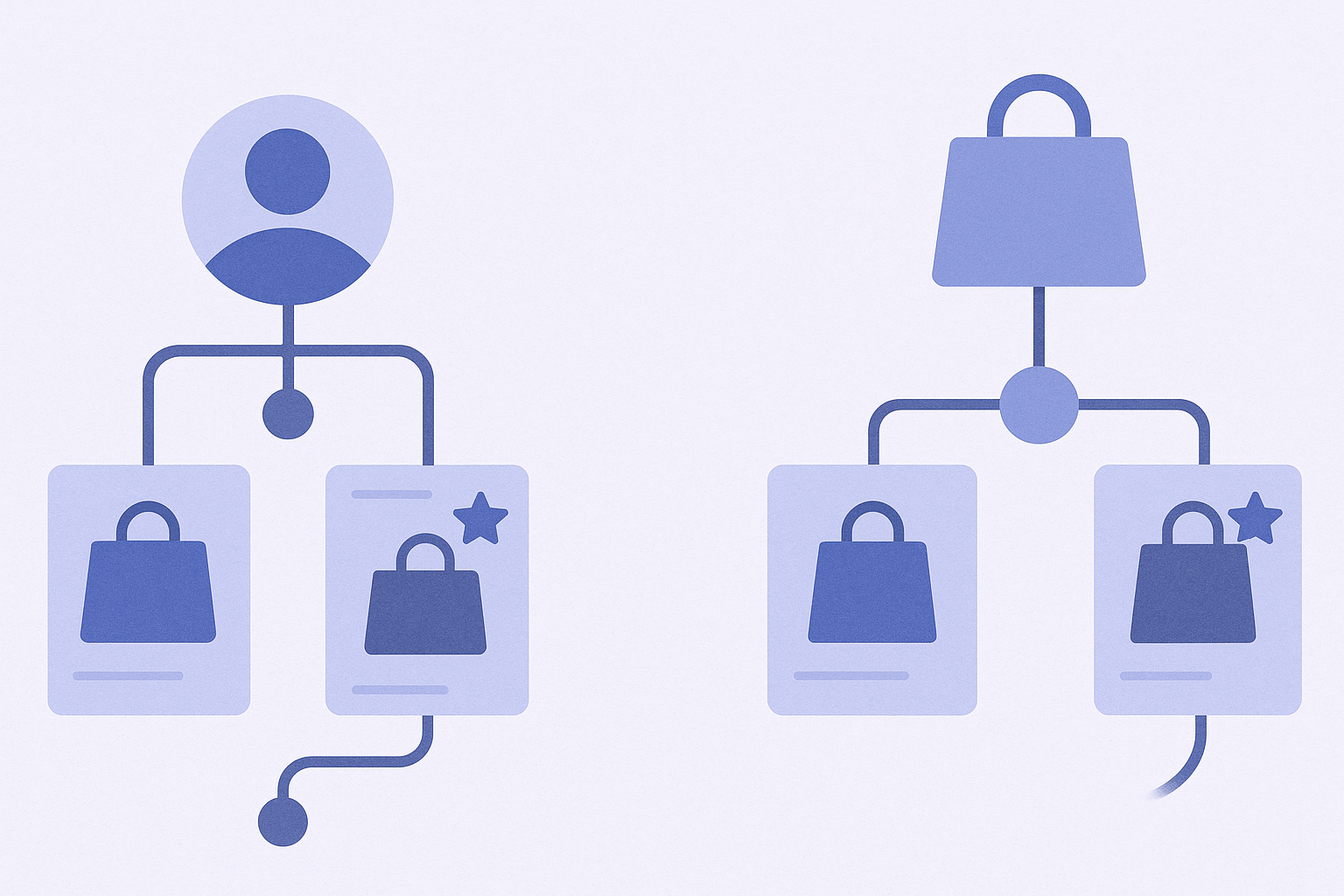
Conclusion: Two logics you should switch between based on data volume and catalog traits
Rather than choosing only one of either collaborative filtering or AI similar items, it is more realistic to use both and switch which one you prioritize depending on the current state of your store.
- Store with enough data and lots of repeat purchases of staples → make collaborative filtering the main driver and dig into purchase patterns
- Catalog with many new items, one‑offs, or fast‑moving inventory → make AI similar items the main driver and recommend based on look and attributes
- Right after launch or when traffic is still low → first use AI similar items to fill the page, then gradually add collaborative filtering on top
This playbook整理s how they differ, where each is strong or weak, how to choose under cold‑start conditions, and typical ways merchants combine them in real stores.
What collaborative filtering is: strong with behavioral data, weak at cold start
Collaborative filtering is a method that shows related products based on user behavior data such as view and purchase history, following patterns like people who bought this item also bought that one.
- Core logic: co‑purchase patterns in carts and orders, and co‑view patterns in browsing history
- Strength: can suggest add‑ons and bundles that feel close to how people naturally buy extras and buy in sets
- Prerequisite: you already have a certain amount of traffic and purchase data accumulated
- Weakness: it is hard to generate recommendations for new or low‑selling items, the classic cold‑start problem
- Catalog fit: works well for model or SKU‑based products, repeat items, accessories, and products sold in series or lines
It tends to be especially effective in stores like the following:
- A high ratio of evergreen products that keep selling year‑round (for example, supplements or core skincare lines)
- Purchases often happen as full sets or larger baskets (for example, camera body plus lens plus tripod)
- A high share of repeat customers who purchase frequently
What AI similar items are: strong on product data, ideal for new items and one‑offs
AI similar items extract product features from images and text such as titles, descriptions, and tags, then return products with similar look, style, or attributes. The axis is not behavior data but information inherent to the product itself.
- Core logic: similarity of image appearance and text attributes such as color, material, and category
- Strength: can return recommendations even for products with little view or purchase history
- Prerequisite: product images and text information are reasonably organized
- Weakness: the combinations suggested are not always items that tend to be bought together in real orders
- Catalog fit: suited to apparel, home decor, furniture, and other visually chosen products, and catalogs with many one‑of‑a‑kind items
In stores like the following, making AI similar items the main logic helps fill in blank spots in your recommendations.
- Frequent turnover of new items, so sales history is hard to accumulate (for example, select apparel shops)
- Many one‑offs or small lots, where the same product sells out quickly
- Products that are mainly compared by visual preferences such as color, size, or pattern
Collaborative filtering vs AI similar items: quick comparison of the differences
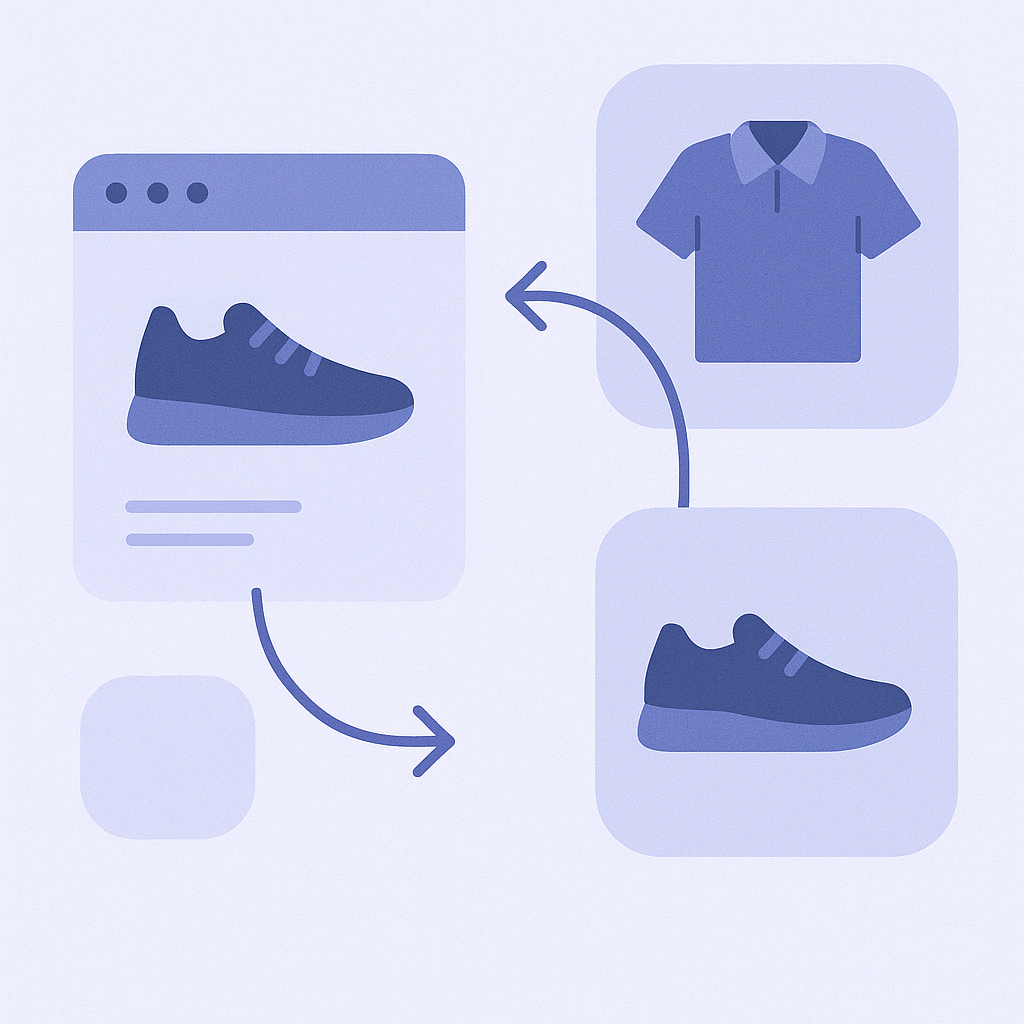
- Difference in purpose
- Collaborative filtering: surface products that tend to be bought together and aim to increase AOV
- AI similar items: surface alternatives and comparable options to prevent exits and encourage browsing - Data used
- Collaborative filtering: behavioral logs such as view history, carts, and orders
- AI similar items: product images, titles, descriptions, tags, and options - Cold‑start tolerance
- Collaborative filtering: new or low‑traffic items often lack enough candidates
- AI similar items: as long as there is an image and text, it can return candidates for new items right away - Catalog suitability
- Collaborative filtering: stores with many SKUs and at least some repeats and evergreen bestsellers
- AI similar items: stores with many SKUs but thin history, or with many one‑of‑a‑kind items - Operational feel
- Collaborative filtering: long‑game model that improves accuracy as more data accumulates
- AI similar items: infrastructure‑like model that runs stably from right after launch
Neither is a silver bullet, so in practice you work backward from what you want to achieve on each page and combine them accordingly.
Recommended setups by catalog type and during cold start
- Product detail page (PDP): first place AI similar items and surface same‑style alternatives
- Collection page: if you have enough stock, use AI similar items to show similar but different options
- Cart page: when data is still thin and collaborative filtering is weak, initially support it with manual recommended sets or bestsellers
- Product detail page:
- Upper section: AI similar items for comparison and alternative options
- Lower section: collaborative filtering for add‑on suggestions - Cart page: make collaborative filtering the main logic and show frequently bought together items
- Home page: mix collaborative filtering into staple and bestseller blocks to strengthen proposals for repeat customers
- Apparel, interiors, lifestyle goods: AI similar items over collaborative filtering, since visual and style similarity matters most
- Consumables, daily necessities, supplements: collaborative filtering over AI similar items, since set buying and repeat cycles are key
- One‑offs and vintage: almost exclusively AI similar items, because sales history does not accumulate
- Electronics and gadgets:
- Product detail page: AI similar items to compare products with similar specs and functions
- Just before cart or checkout: collaborative filtering to suggest related accessories
Next steps for testing both in RecoBoost
In RecoBoost you can place collaborative‑filtering‑type and AI‑similar‑items‑type logics as separate blocks. Starting with the steps below makes it easier to compare them.
- In the Shopify admin, go to Apps, open RecoBoost, and check the list of recommendation blocks
- Create a new product detail page block, choose AI similar items as the logic, and save it
- Create a second product detail page block, and select collaborative filtering (customers who viewed this also bought) as the logic
- From Theme customization, open the product template and add the AI similar items block in the upper section and the collaborative filtering block in the lower section, then publish
- Let data accumulate for a few days to a few weeks, then compare click‑through rates and revenue contribution in the RecoBoost reports and adjust the weighting for your store, i.e., which block you emphasize more
Instead of locking into just one logic, line up collaborative filtering and AI similar items side by side and test them while watching each page’s role and your catalog traits. That approach may look roundabout but is actually the fastest route.