
Home/Playbooks
Playbooks
Short how-tos and comparisons for placing RecoBoost logics — placements, trade-offs, and weekly ops.
 Comparison
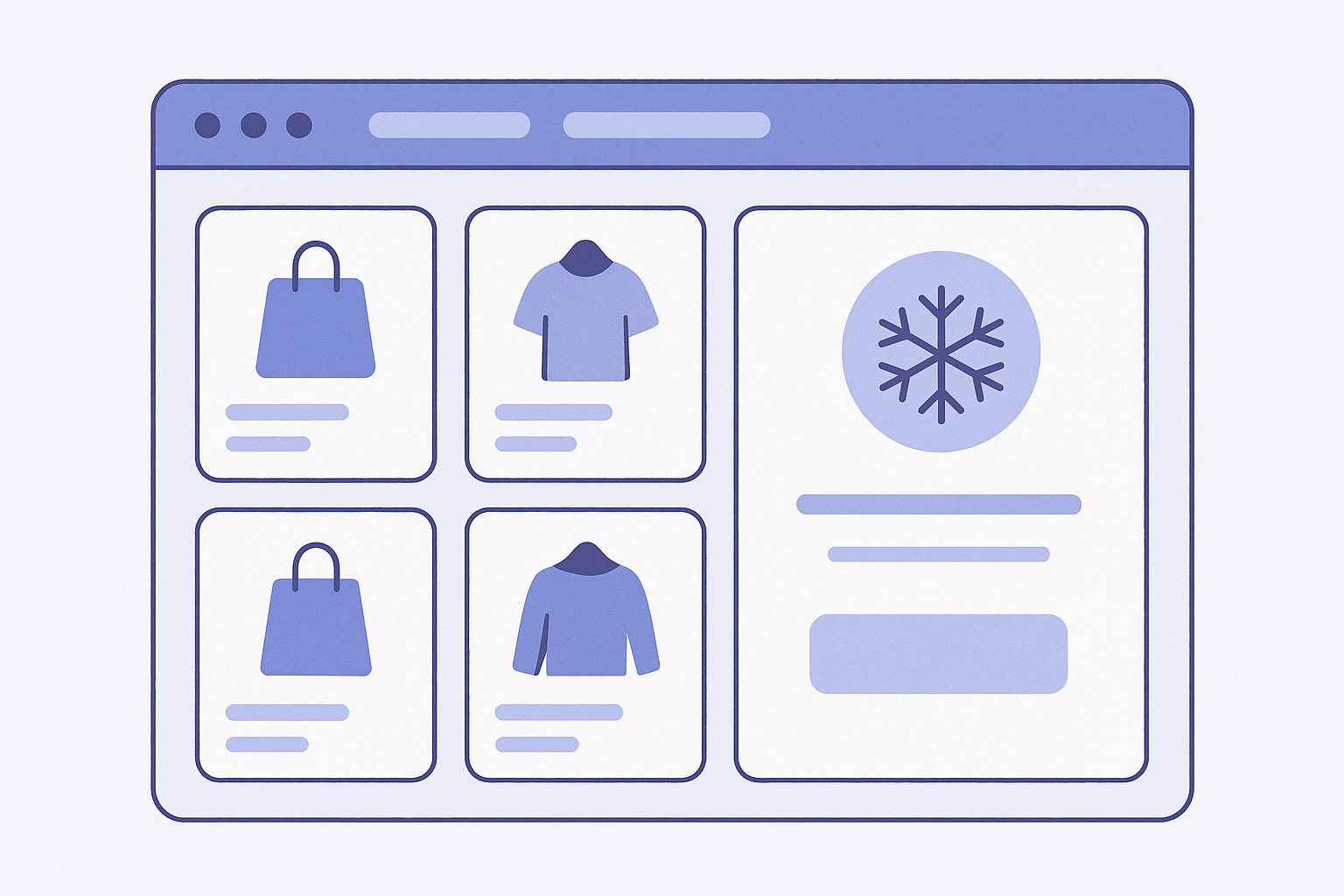
Playbook for Splitting Manual Merchandising and AI Recommendations
Use manual curation for brand storytelling on feature pages, and AI recommendations on PDPs and carts to drive revenue. This playbook explains how to divide roles between manual merchandising and AI across key Shopify store pages.
 Playbook
A Practical Playbook for Maximizing Sales with Recommendations During Seasonal Campaigns
During seasonal sales, using your usual recommendation settings can lead to discount-only listings, distorted rankings, and more stockouts. This playbook walks Shopify merchants through pre-sale setup, in-sale operations, and how to safely revert after the campaign.
 Playbook
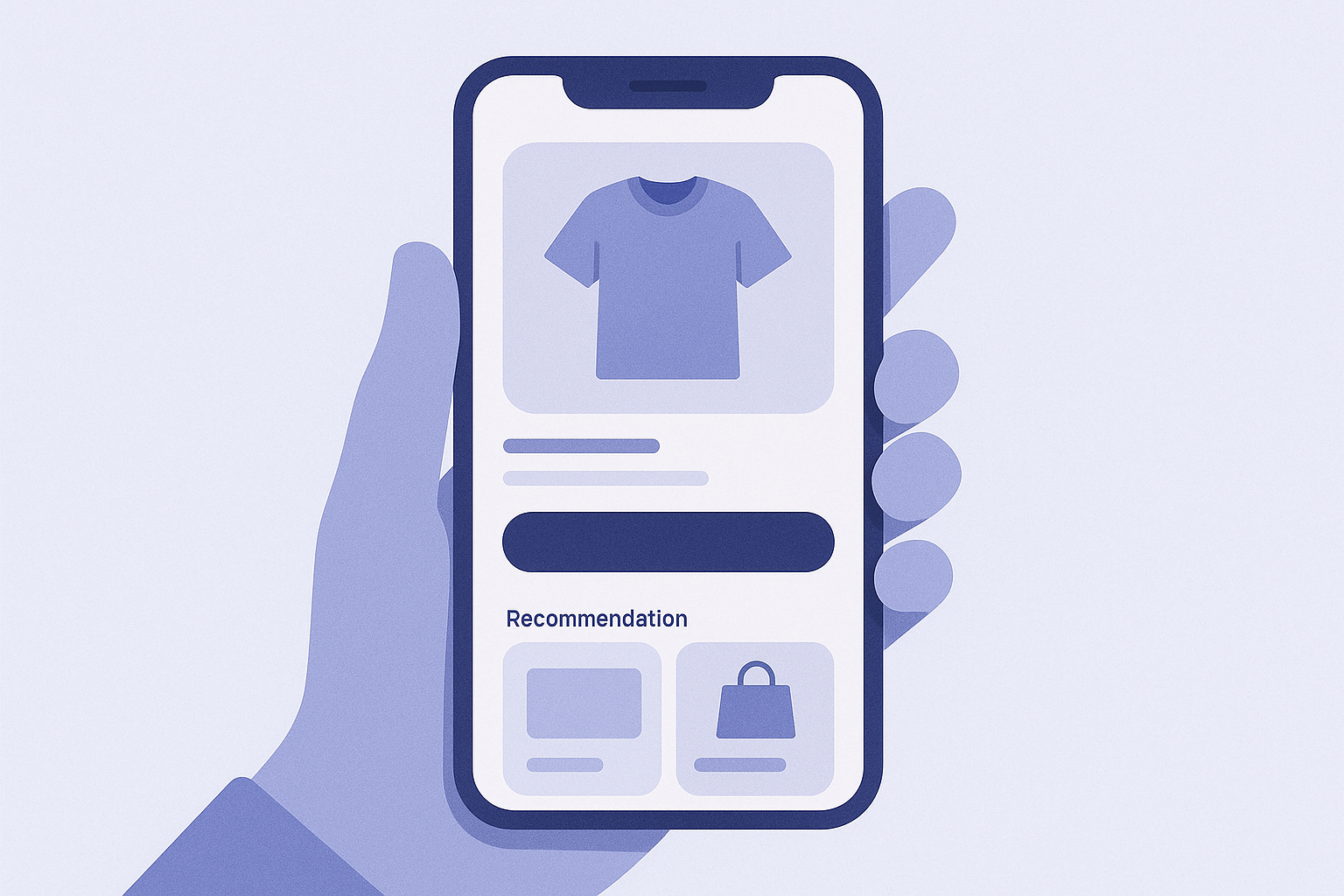
Mobile recommendation layouts that protect your sales
On mobile, how you place recommendations decides whether they’re read or just feel intrusive. This playbook shows how to optimize layouts today using four levers: folds, carousels, distance from CTAs, and avoiding layout push-down.
 Comparison
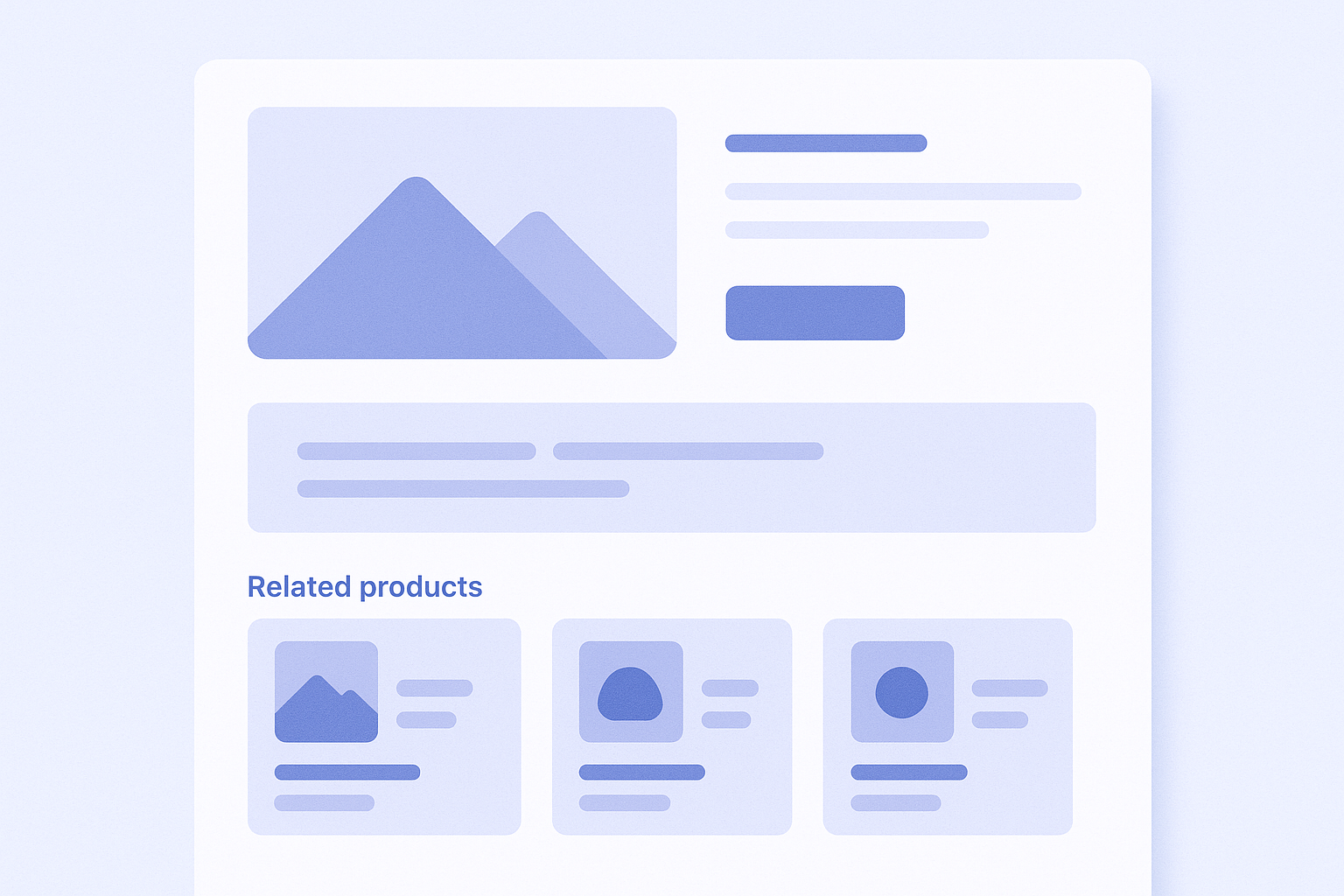
Priorities When Using Multiple Recommend Blocks on One Page
Guidelines for ordering and combining multiple recommend blocks on the same page. How many to show, which logic to put on top, combinations that do not compete, and downsides of over‑exposure.
 Playbook
Weekly playbook for reading Shopify recommendation KPIs
A weekly analytics playbook so your Shopify recommendations are more than “just there.” Learn how to read impressions, CTR, CVR, and purchase contribution, and how to avoid over‑interpreting small numbers while taking concrete weekly actions.
 Playbook
Raise AOV Fast: A 3‑Page Checklist for Smarter Product Recommendations
To raise AOV fast, tune product recommendations across three key pages: PDP, cart, and thank you. Use this checklist to align placement, logic, and copy on each page so recommendations actually drive higher order value.
 Playbook
Practical Guide to Safe Exclusion Rules for Product Recommendations
How to safely exclude out-of-stock items, gift cards, and low-price noise products from Shopify recommendations without breaking conversion tracking, upsell measurement, or AB tests.
 Playbook
Cold-start playbook for small Shopify catalogs with few products
Even with a small product catalog, you can still optimize recommendations during the cold-start phase. This playbook walks through which logics to prioritize when you have almost no data, and how to mix them with manual curation you can run today.
 Playbook
A Practical Playbook for Ranking Recommendations on Collection Pages
A practical playbook for placing “ranking” recommendations on Shopify collection pages without breaking category context, using native features, theme tweaks, and RecoBoost.
 Playbook
Weekly guide to tracking recommendation performance: impressions, clicks, and add‑to‑cart
To improve recommendation performance, you cannot “set it and forget it.” You need to review impressions, clicks, and add-to-cart every week and keep tuning. This playbook gives you a practical checklist for where to read numbers in Shopify Analytics and your recommend app, and what to adjust based
 Playbook
Practical checklist for combining bundle discounts and free shipping bars
A practical checklist to safely combine bundle discounts and cart free‑shipping bars in your Shopify store, avoiding double discounts and threshold mismatches.
 Comparison
When to Use Shopify Related Products vs Recommendation Apps
Shopify’s built‑in Related Products works well for smaller stores that want a simple, low‑cost upsell. If you need tighter control, A/B tests, and detailed tracking to really lift CVR and AOV, a recommendation app is a better fit. This guide compares which to use when.
 Playbook
How to Place Recommendations to Raise AOV on PDP, Cart, and Thank You
To raise AOV on Shopify, decide what to recommend on which page, and split roles across PDP, cart, and thank you. This post gives concrete placement steps and checklists you can try today.
 Playbook
Design Checklist for Adding “Complete the Look” to Product Pages
Adding a “Complete the Look” block to your Shopify product pages can raise AOV and reduce returns. This playbook gives you concrete steps and a checklist for which products to show, where to place them, and how to present them, plus how to test it quickly with RecoBoost.
 Playbook
How to Add Upsells to Your Shopify Cart with Theme App Extensions
Step‑by‑step checklist for adding upsells to your Shopify cart using Theme App Extensions: from choosing the right app and placing blocks in your theme editor, to display settings, QA, and measuring impact, with a RecoBoost implementation example.
 Comparison
How to Choose a Cart Recommendation App: Placement, Logic, Measurement
A comparison guide to Shopify cart recommendation (cart upsell) apps, focusing on three axes that merchants often struggle with: placement, recommendation logic, and measurement/AB testing, and when to choose each type.
 Comparison
Shopify Upsell Apps Compared: Selection Checklist 2026
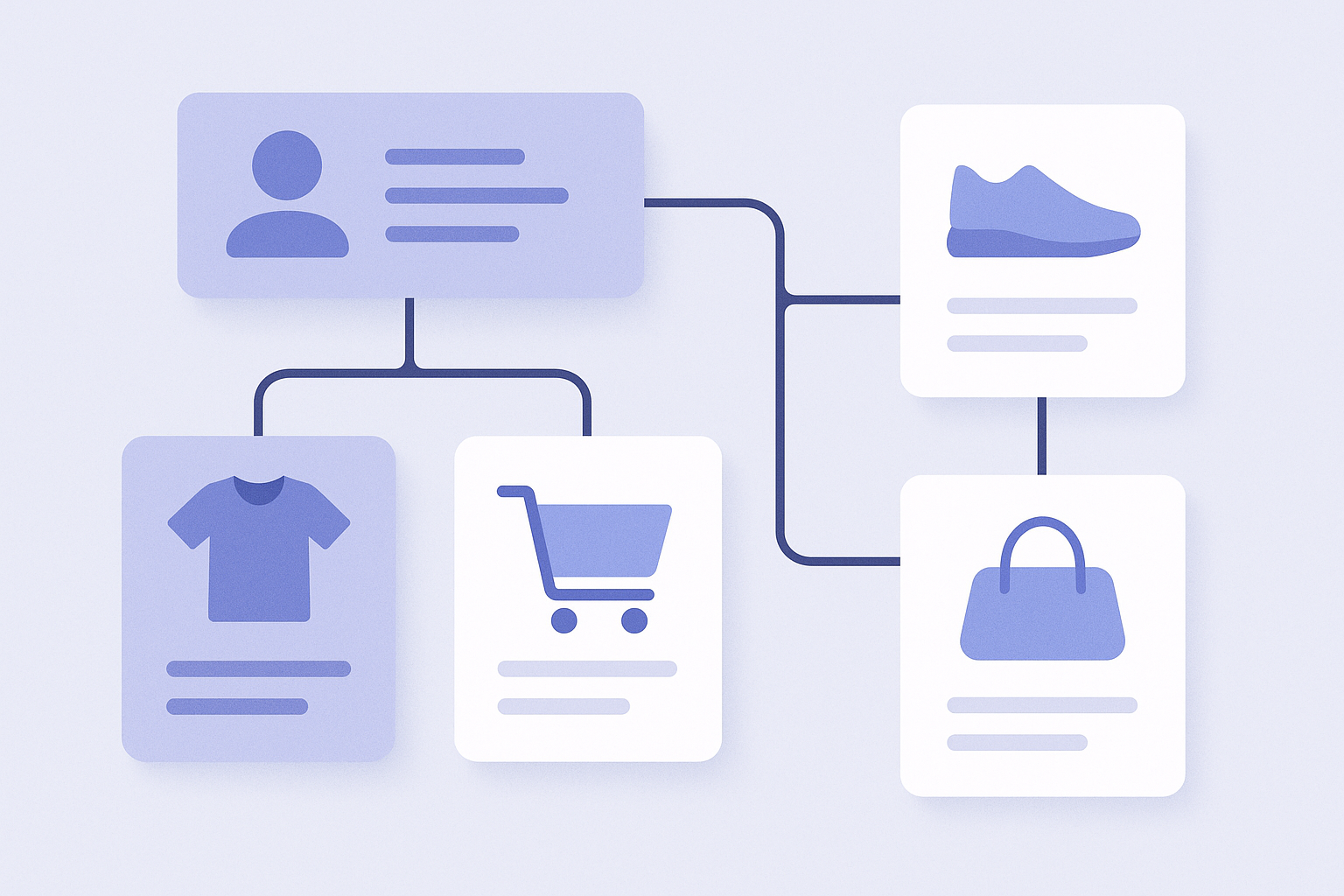
A practical checklist to compare three types of Shopify upsell and recommendation apps—cart, popup, and AI—across features, effort, tracking, and store fit so you can choose the right option for your store size and resources.
 Comparison
View-based vs purchase-based recommendations: what to test first
Whether you should start with collaborative_view or collaborative_purchase depends on your store size. This guide organizes clear thresholds by traffic and order volume, and shows how to prioritize and place each logic in a real Shopify store.
 Playbook
How to Add Product Recommendations to Email Flows
A practical guide to inserting product recommendations into Shopify abandoned checkout and winback flows. Learn which logic to use in each flow, where to place blocks in the email, common pitfalls, and how it all connects with RecoBoost.
 Playbook
Gentle post‑purchase offers on the Shopify thank you page
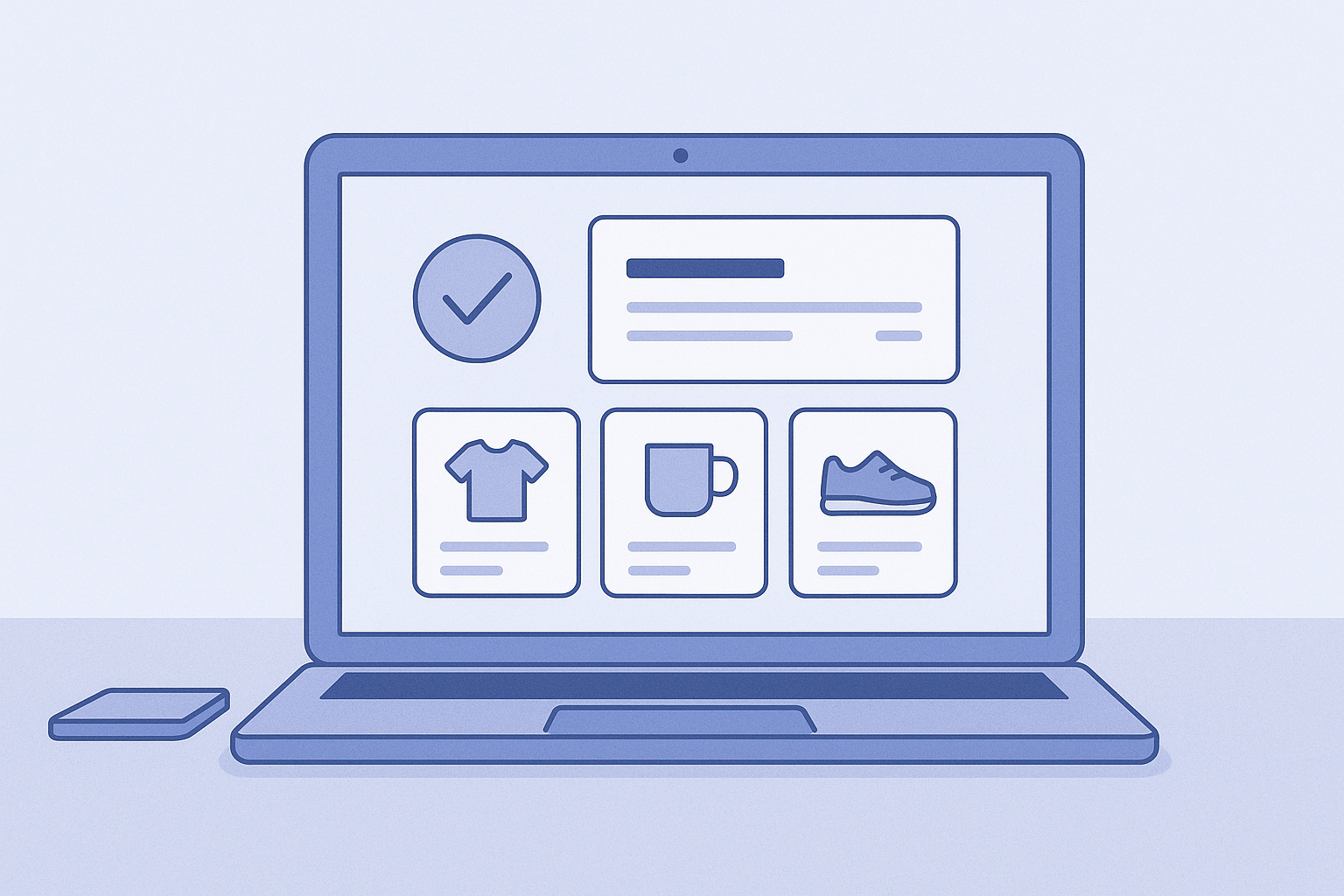
A practical guide to adding related products on your Shopify thank you page without feeling pushy. Covers which recommendation logic to use, wording and layout that feel like help not hard sell, common pitfalls, and how to set it up with RecoBoost.