
Blog

Practical tips for Shopify merchants — upsell, cross-sell, recommendations, and the latest platform updates.

Posts from July 2026

  • Illustration of a marketer comparing a Shopify store dashboard and a Google Ads dashboard side by side to verify that purchase conversions are being tracked correctly across both tools.

    10 common Shopify × Google Ads conversion tracking mistakes

    Even if Shopify and Google Ads look connected, conversion data is often wrong: inflated, undercounted, or inconsistent. This article walks through 10 typical tracking mistakes in Shopify stores and shows how to quickly diagnose and fix them in the actual Google Ads and Shopify UIs.

  • Illustrated online store cart screen showing a small set of recommended products neatly displayed beside the cart contents to support add‑ons without hiding the checkout button.

    Designing effective cross‑sell in the Shopify cart without hurting checkout

    To make cross‑sell work on your Shopify cart, you need to design where it appears, what it shows, how many items, and how it’s worded. This article breaks down layout, recommendation logic, and UI patterns that raise AOV without increasing cart abandonment, including examples and common failure

  • Abstract illustration representing a store migrating from a legacy single-page checkout to a new block-based Shopify Checkout Extensibility layout

    Practical migration steps for Shopify Checkout Extensibility

    If your store can move to Shopify Checkout Extensibility, it’s safest to start now. This article clarifies how it differs from checkout.liquid and walks through concrete, low-jargon steps to migrate your checkout safely while protecting conversions.

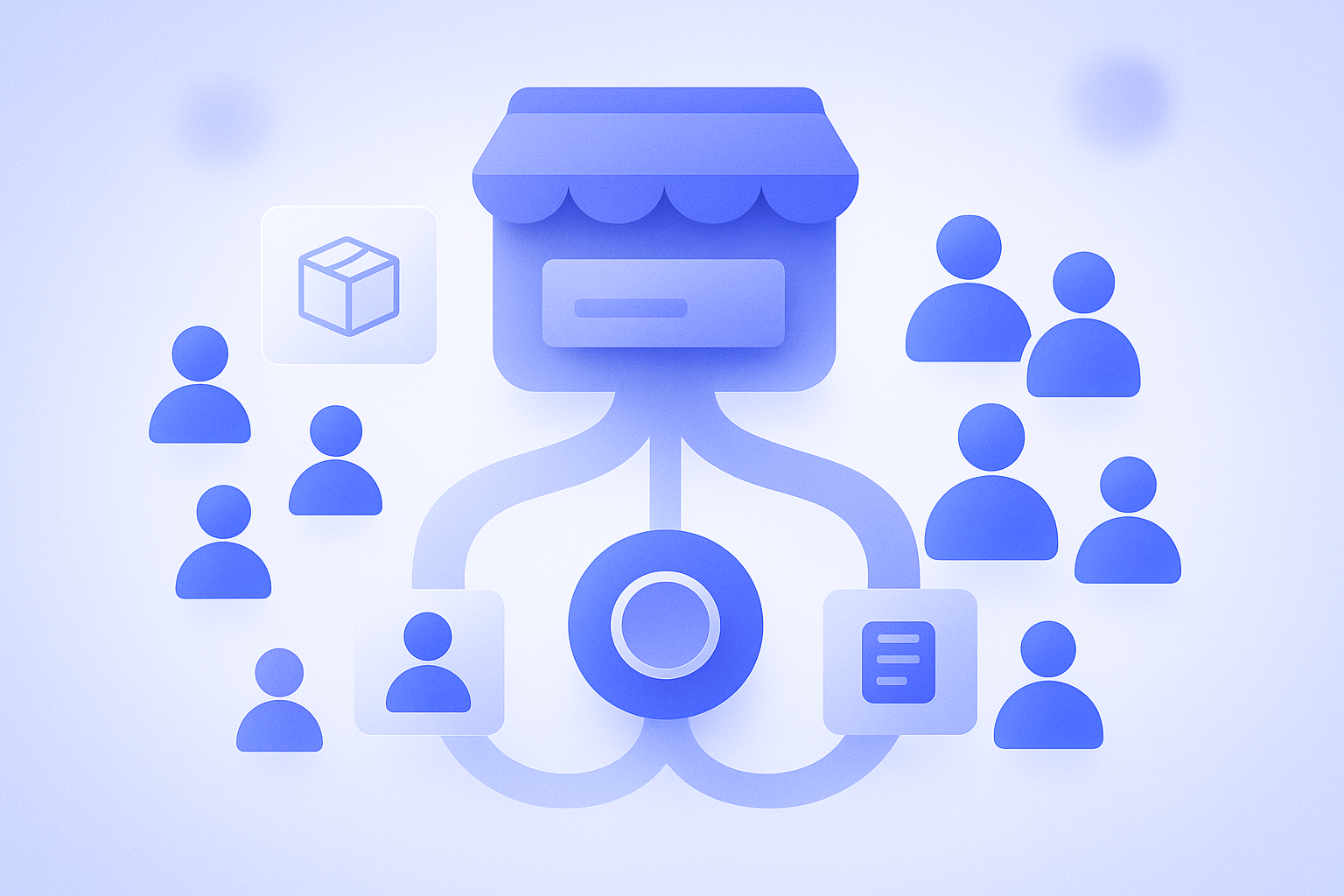
  • Abstract illustration showing a Shopify store centrally managing both retail and wholesale customers, with unified products and orders but different prices and terms per customer group.

    B2B on Shopify basics and wholesale rollout for smaller stores

    An operator’s guide to B2B on Shopify for smaller stores: what it can do, how it differs from the old Wholesale channel, how to design B2B customers, price lists, and payment terms, and how to launch wholesale with minimal effort. Includes how RecoBoost can support B2B.

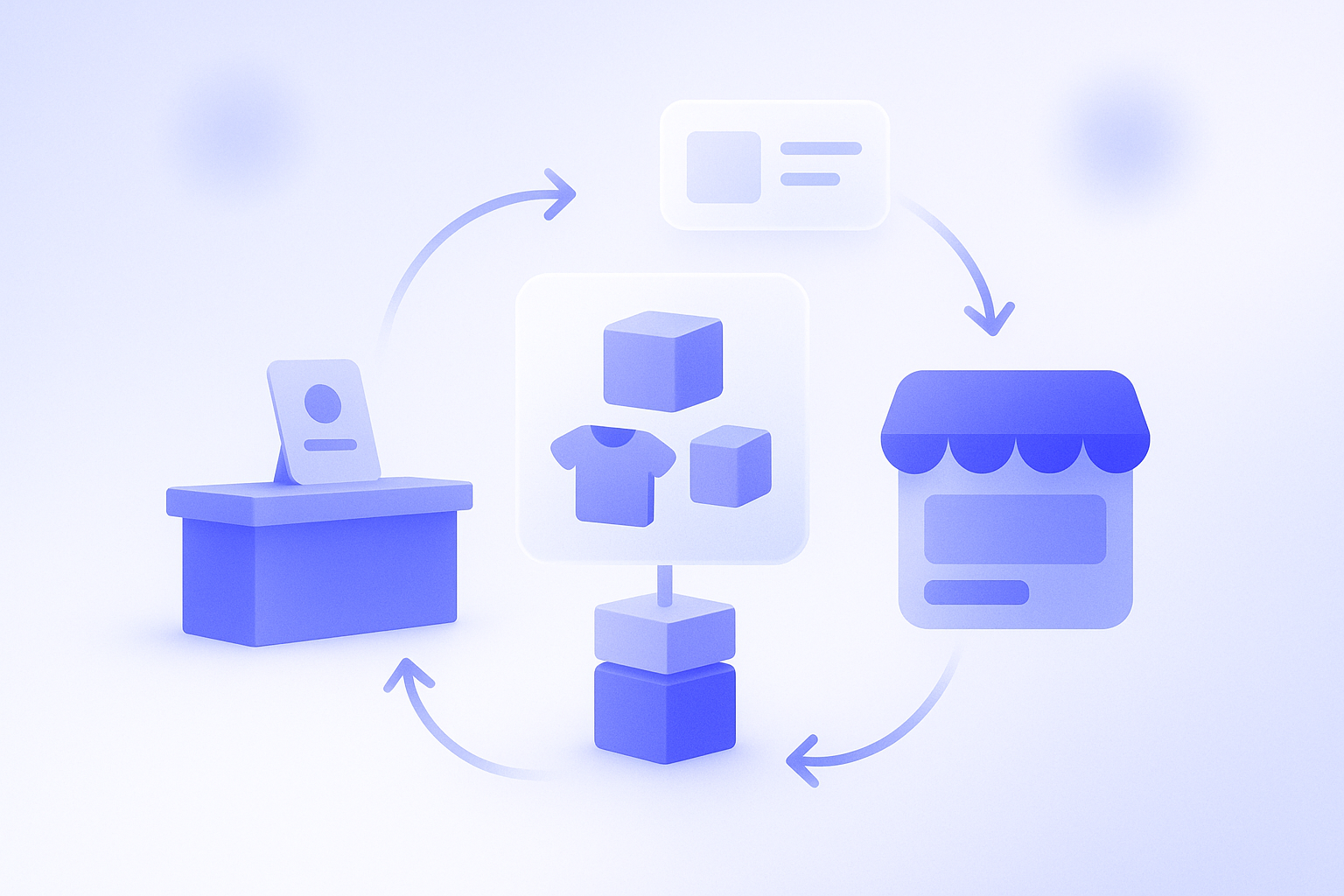
  • Illustration showing unified inventory management where a brick-and-mortar shop and an online store are connected and sharing the same stock information in real time.

    Practical tips for integrating Shopify POS and online inventory

    To manage in-store and online inventory in one place with Shopify POS, you need solid location design, clear rules for sales and adjustments, and standardized flows for returns, holds, and stocktakes. This article breaks down common pitfalls and concrete rules you can apply today.

  • Abstract illustration representing a fork in the road between a standard Shopify theme storefront and a headless commerce architecture, highlighting the decision point for merchants

    Do Smaller Shopify Stores Really Need Hydrogen and Headless?

    Shopify Hydrogen and headless commerce sound appealing, but for many small to mid-sized stores, sticking with a standard theme actually performs better. This article maps out, by revenue, team setup, and requirements, when to stay on a theme and when headless is worth considering.

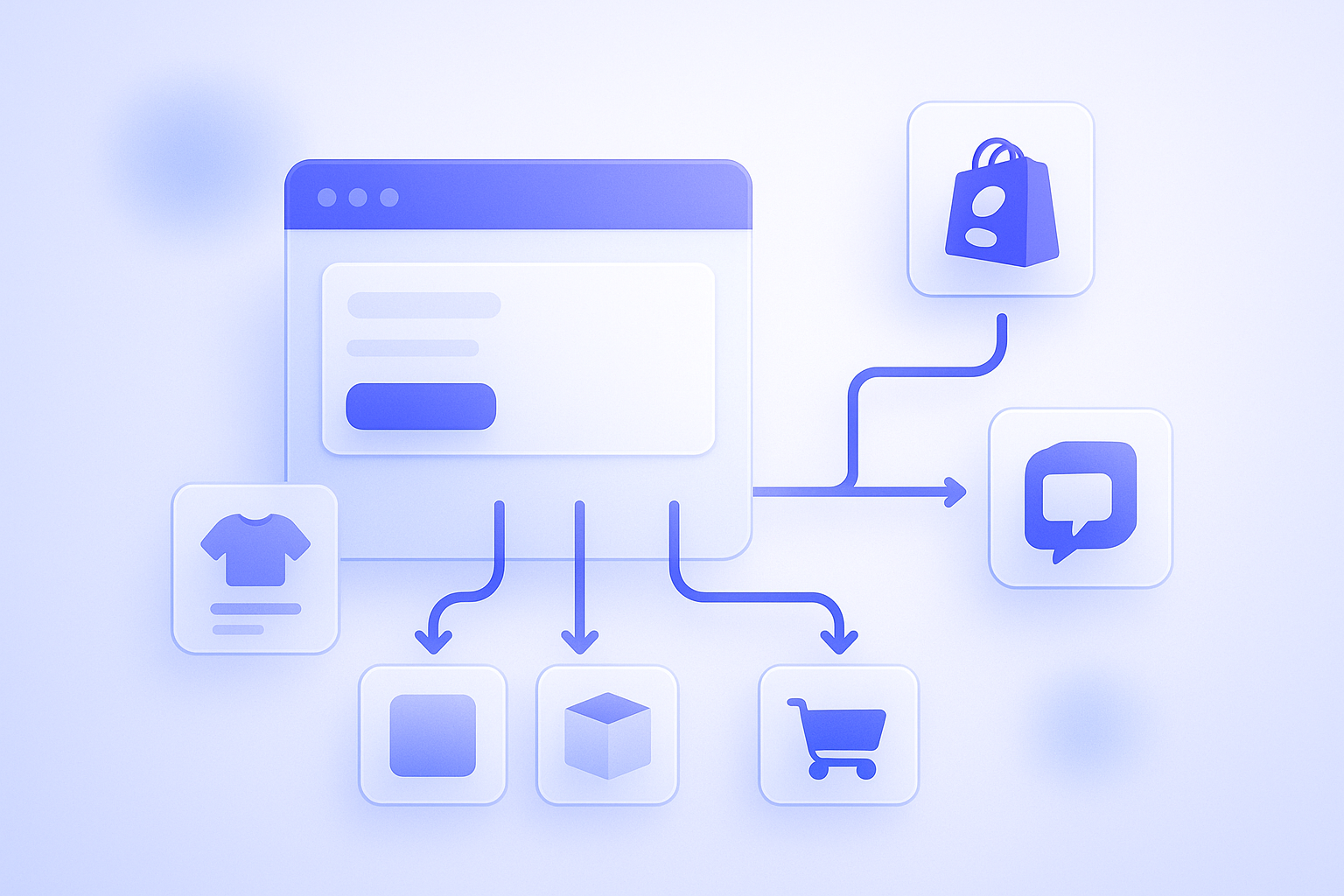
  • Diagram showing a Shopify store backend connected to Google Ads, with a successful purchase event being tracked as a conversion between the two systems.

    Getting Conversion Tracking Right When Connecting Shopify and Google Ads

    When you connect Shopify and Google Ads, you first need to choose exactly how you’ll track conversions. This post clarifies using the official Google & YouTube sales channel vs. custom conversion tags or GA4, then walks through common pitfalls and how to test and verify your setup.

  • Conceptual diagram of a Shopify store connected to repeat customers with lines, surrounded by icons representing points, perks, and rewards in a loyalty program design.

    Designing loyalty to grow repeat purchases and LTV on Shopify

    To grow repeat purchases and LTV on Shopify, you need more than “let’s add points.” This article walks through defining repeat and loyal customers in your own numbers, then designing points, tiers, subscriptions, and messaging you can actually implement in a real Shopify store.

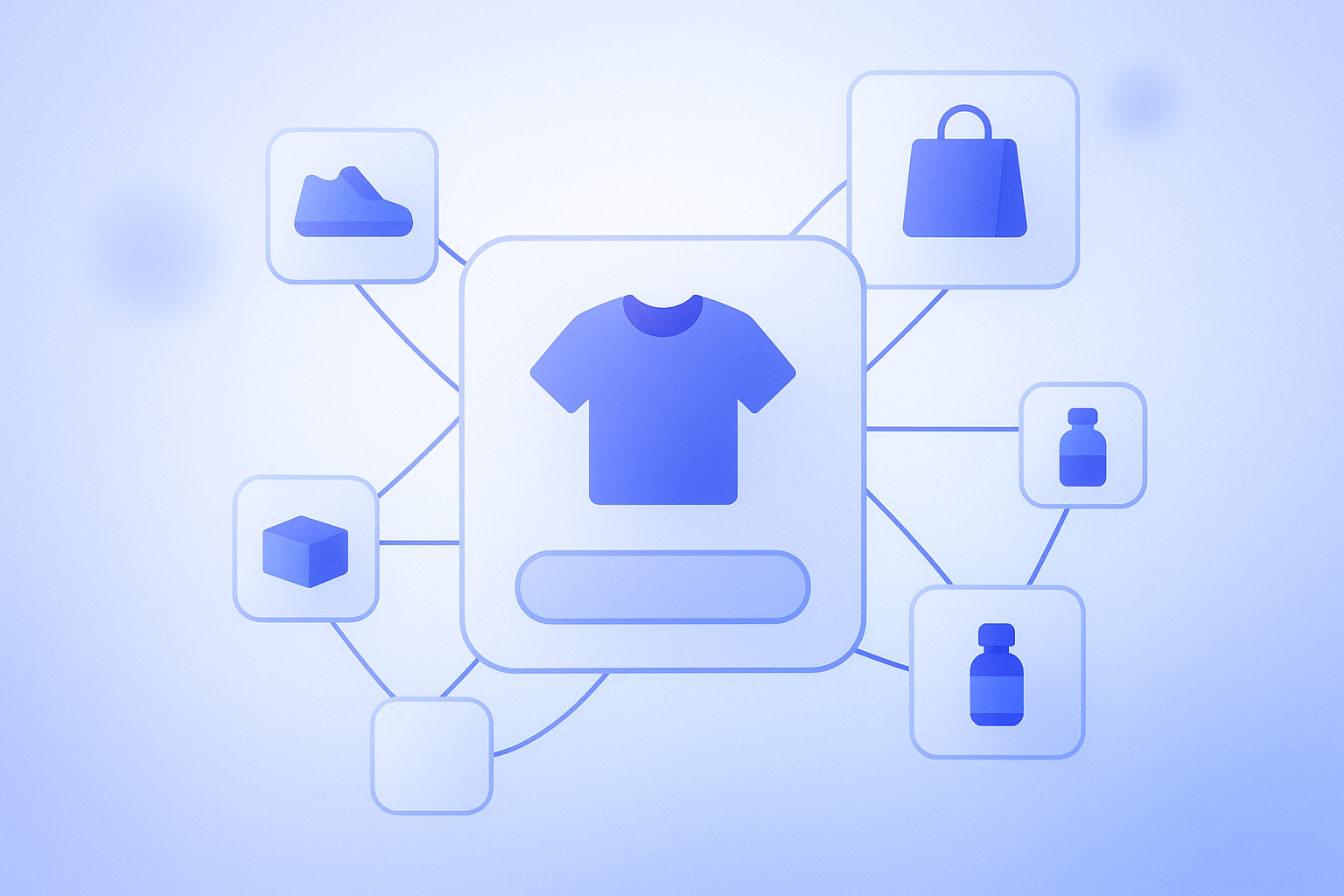
  • Abstract illustration evoking a product page where neatly arranged related products appear in an organized block near the bottom of the page

    5 practical rules for designing effective related product blocks

    If your Shopify product page’s related products get few clicks or unclear sales impact, you likely need clearer design rules. This post breaks down placement, number of items, logic, labels, and measurement into concrete, ready‑to-apply criteria.

  • Illustration of a Shopify product page and Google search results, both showing star ratings and multiple product reviews lined up as they would appear to shoppers

    A Practical Guide to Using Shopify Product Reviews for Stronger SEO

    On Shopify, reviews drive more search traffic when you choose and place them strategically, not just collect volume. This guide explains which reviews to feature, where to show them, and how to use apps like Judge.me to win rich results from a store-operator perspective.

  • Illustration of a Shopify product detail page where product information is organized into clearly separated blocks like summary, features, specs, and usage, based on a reusable description template

    Designing Shopify Product Description Templates That Scale and Convert

    If you mass‑produce Shopify product descriptions without a clear template, quality drops as SKUs grow. This article shows how to design reusable description templates, define blocks, checklists, and rules so your team can scale copywriting without hurting conversions.

  • Concept illustration of organizing product cards and wholesale price information in Shopify B2B to manage a structured product catalog

    Practical guide to structuring wholesale pricing and catalogs in Shopify B2B

    When you organize wholesale pricing and catalogs in Shopify B2B, the shortest path is to design around three pieces: company profiles, price lists, and catalog visibility. This article explains how to split price lists, keep catalogs scalable as SKUs grow, and avoid common migration pitfalls.